Made-to-order · For retailers
Sell it first. Then it is made in Italy.
Show a sample in store or online and take the order. Only then is the garment produced in our Italian network and sent to your shop or to your customer, so stock stops being a forecast.
For retail stores, online shops and brands already selling that want a made-to-order line beside, or in place of, stocked product.
- Produced after the order
- Delivered to store or customer
- Made in Italy
The problem today
What buying stock ahead costs a retailer
The buy is a forecast
Sizes and colours are ordered months before the season on a guess, and the guess is paid for up front.
Markdowns are built in
Whatever the forecast got wrong ends on the sale rail, and the discount comes out of the margin the range was meant to earn.
The size that is never there
A customer between sizes, or after a different cloth, walks out when the shelf only holds what was bought in.
Cash sitting on hangers
Every unsold piece is money the business cannot use elsewhere until it sells or is discounted.
What changes with Caprice
How made-to-order runs for a retailer
Samples on the floor, not stock
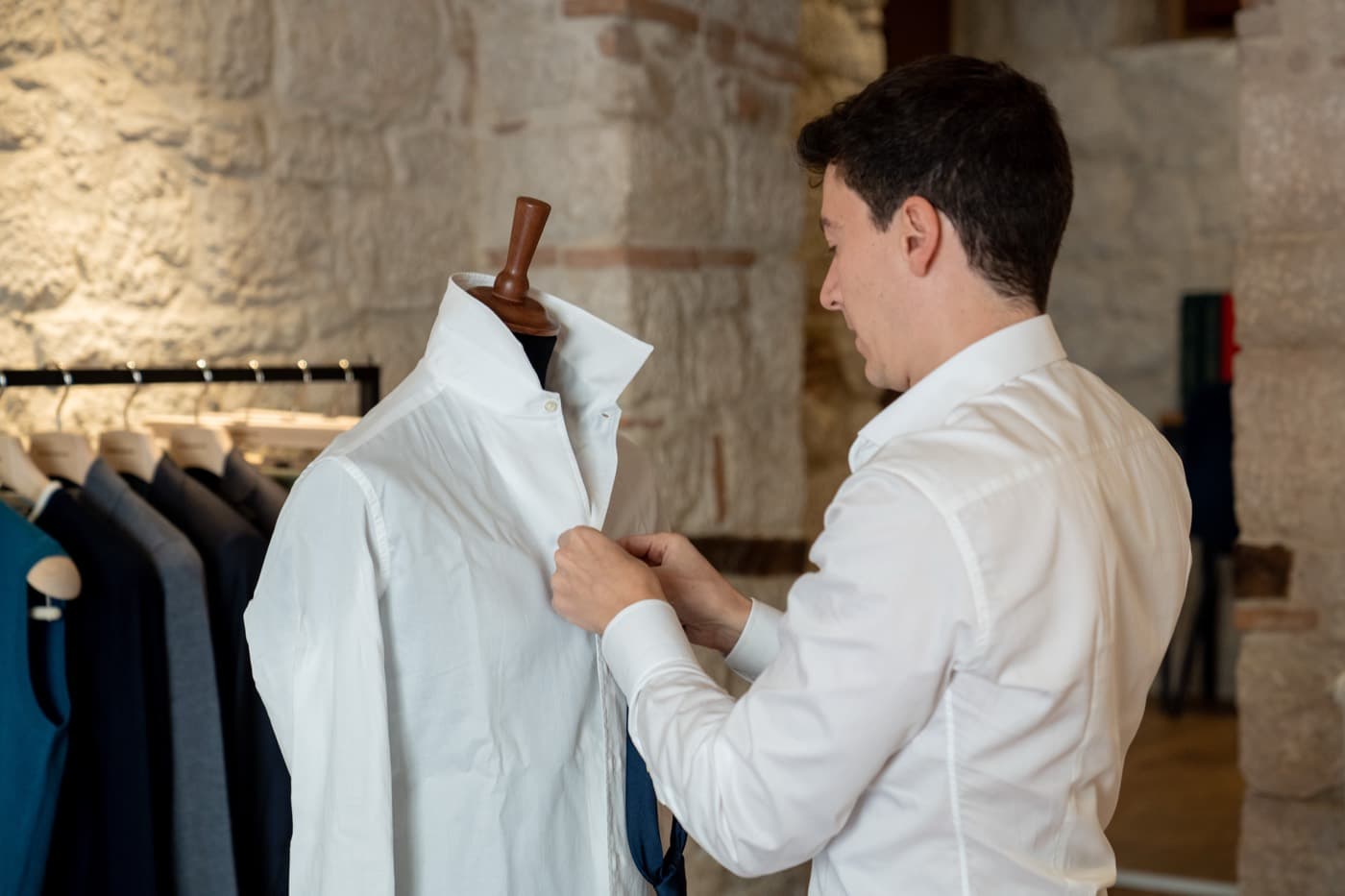
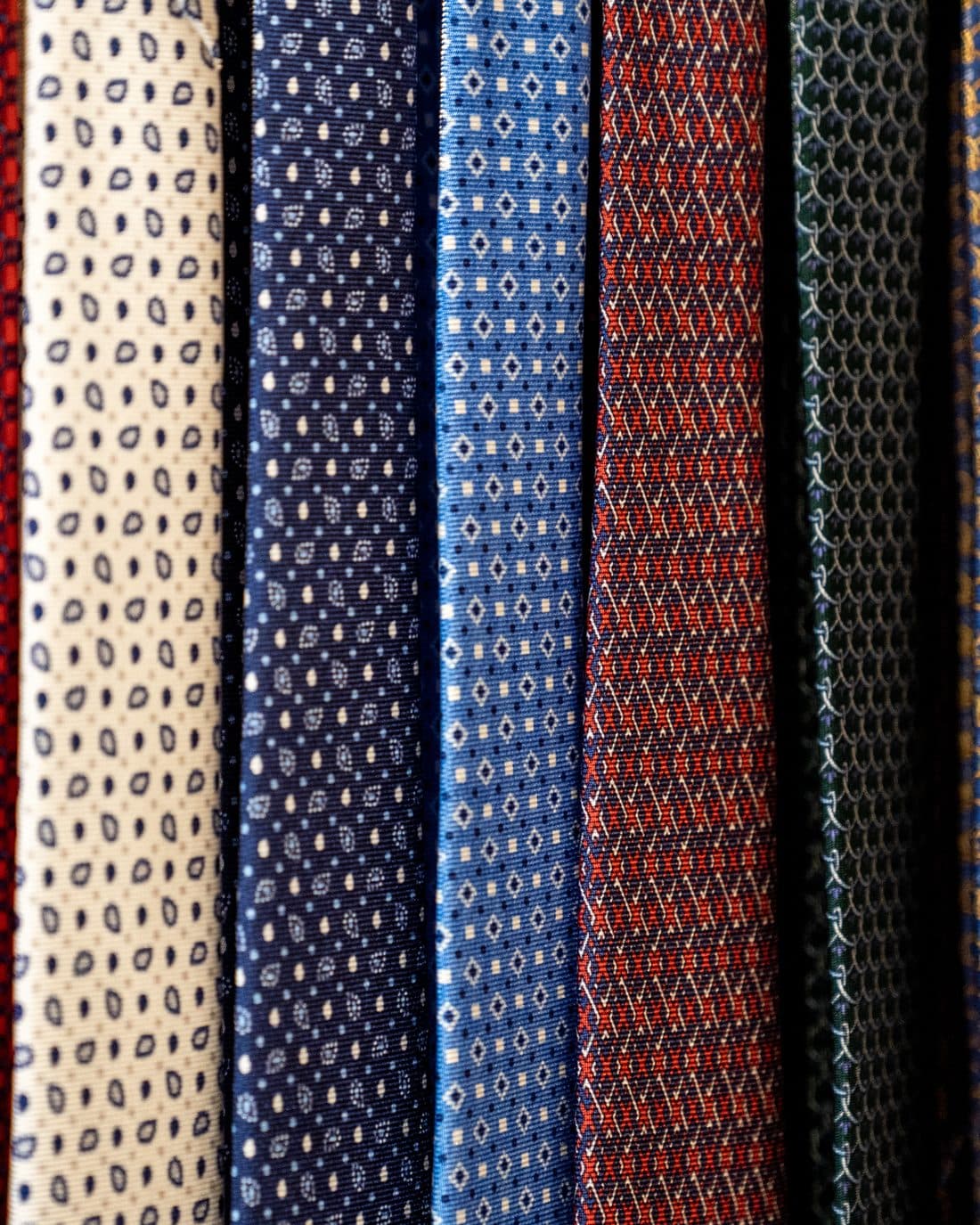
Keep samples and cloth in the store. The customer chooses, you take the order, and nothing is produced on speculation.
The order carries what sold
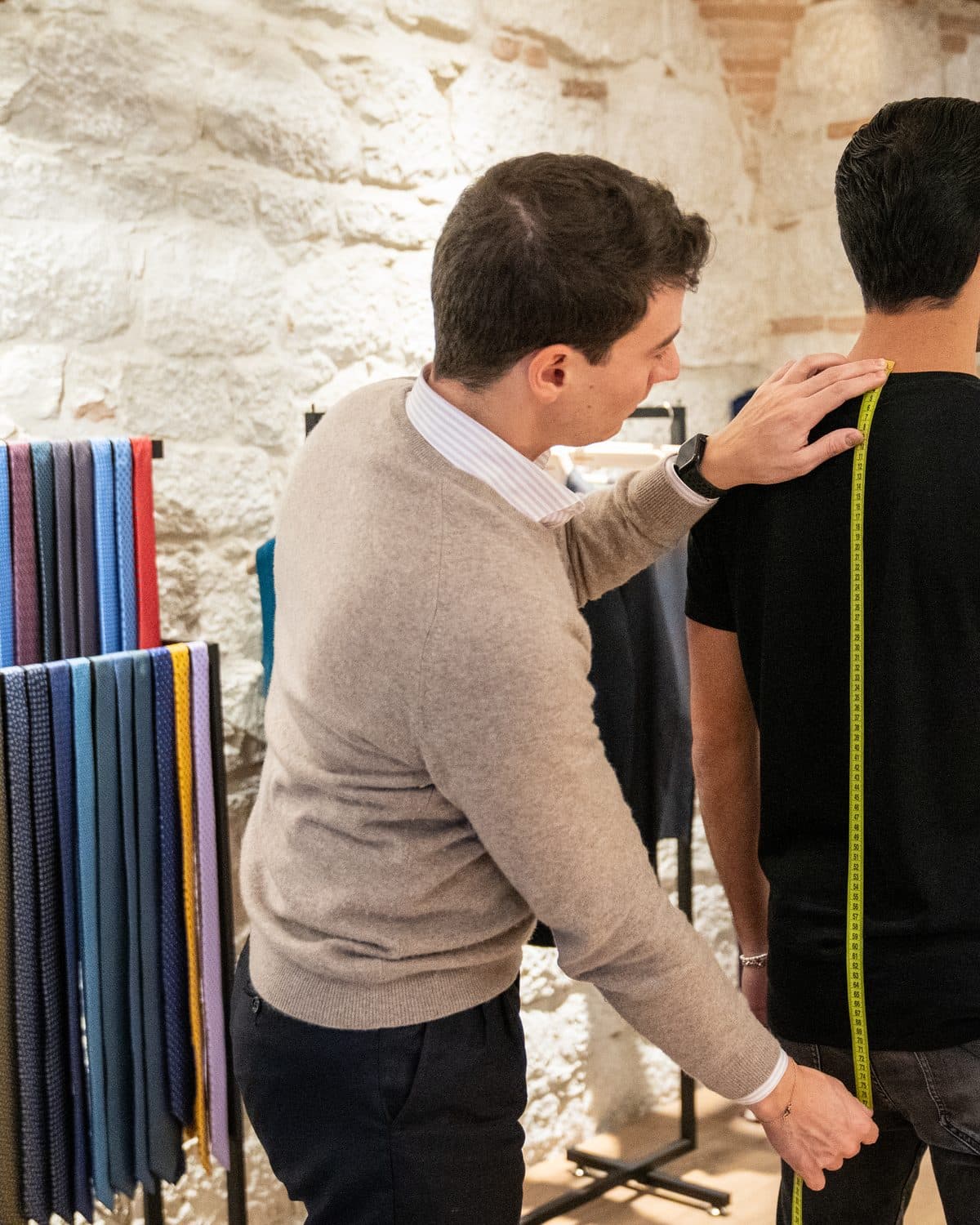
Each order records the customer and their measurements, the cloth and the garment options, so the workshop makes exactly the piece that was sold.
Routed and coordinated for you
The platform sends each order to a workshop that makes that garment and coordinates the cloth, the making and quality control behind it.
Delivered where the sale happened
Finished garments come back to the shop for collection or go directly to the customer’s address, and the order shows the carrier and the delivery status.
Dates you can give at the counter
Production weeks for each garment group and courier days from Italy are published, so the date you promise rests on real figures.
Beside the stock you keep
Run made-to-order next to stocked lines. Start with the category that discounts hardest and move more across once the routine is familiar.
The made-to-order sequence
Sample, sell, produce, deliver
- 01
Sample
Approve a sample of each style; it becomes what customers see and try on.
- 02
Sell
The customer chooses cloth and options, you take measurements, and you place the order on the platform.
- 03
Produce
The order is routed to a workshop that makes that garment, produced and checked.
- 04
Deliver
It goes to your store or straight to the customer, with delivery tracked.
Related production routes
Made-to-order questions
Selling before you produce, answered
How does made-to-order work for a retail store?
The store keeps samples and cloth instead of a full size run. A customer tries the sample, chooses the cloth and the details, and buys; you then place the order on the platform with their measurements. The garment is produced in Italy after that, checked, and delivered to the store or to the customer’s home. Your capital goes into samples rather than stock, and nothing reaches a markdown rail because nothing was made without a buyer. It works well to begin with one category and add more once the routine settles.
How long does a made-to-order garment take to reach the customer?
Add two figures together. A shirt, overshirt or tie takes 2–3 weeks to produce; tailoring, knitwear, polos and leather goods take 3–4 weeks; bespoke pieces with fittings take 8–12 weeks. Those weeks count from the point the measurements and specification are confirmed. Delivery by courier from Italy then adds 2–3 working days for an address in Italy, 3–5 working days for the rest of Europe, the UK and Switzerland included, and 3–5 working days for the USA or Canada. Express is available on request. Give the customer a window built from both figures, or let the lead-time calculator add them up from today’s date.
Does made-to-order work for an online shop?
Yes. Online, the sample is replaced by photographs, a size guide or the customer’s own measurements, and the order is placed on the platform in the same way. The garment is produced after the sale and can be sent straight to the customer’s address, so you hold no stock and never pack the parcel yourself. The carrier and the delivery status sit on the order, which helps when a customer asks where their piece is.
How is made-to-order different from bulk production or print-on-demand?
Bulk production makes the whole run before any of it sells, against a minimum per style. Print-on-demand puts artwork on a blank garment somebody else made. Made-to-order produces the real garment, in the cloth and to the specification you chose, after the customer has bought it. The trade-offs, from capital at risk to what you can change, are laid out in the model comparison on the home page.
Made-to-order enquiry
Turn your stock budget into samples.
Tell us what your store or site sells, which category you would move to made-to-order first and where your customers are. We reply from manufacturing@capricebespoke.com with how the order flow would run for you and the lead times that apply.
Not trading yet? Start with the learning path.